Crypto Gambling Myths: Separating Fact From Fiction
The Blockchain Guarantee Myth
One of the most persistent misconceptions in crypto gambling is that blockchain technology automatically makes all platforms trustworthy and transparent. While blockchain does provide immutable transaction records, this doesn’t mean every crypto gambling site operates fairly or securely. The technology is only as reliable as the platform implementing it. Many fraudulent crypto casinos use blockchain as a marketing tool while operating with rigged algorithms or poor security practices. International gambling regulators, from the UK Gambling Commission to Malta’s MGA, emphasize that blockchain alone doesn’t replace proper licensing, auditing, and regulatory oversight. Players should verify that crypto gambling platforms hold legitimate licenses from recognized authorities, not just that they use blockchain technology.
The reality is that transparency requires more than distributed ledgers. It demands regular third-party audits, clear terms of service, and responsive customer support—elements that many unregulated crypto gambling platforms lack entirely.
Anonymous Equals Unaccountable
A widespread belief suggests that crypto gambling’s pseudonymous nature means operators face no consequences for misconduct. This is demonstrably false. International law enforcement agencies actively investigate fraudulent crypto gambling operations. The U.S. Department of Justice, Europol, and various national authorities have successfully prosecuted operators of illegal crypto gambling platforms. Major exchanges and payment processors increasingly comply with Know Your Customer (KYC) requirements, even for cryptocurrency transactions.
Additionally, legitimate crypto gambling platforms operating in regulated markets—such as those licensed in Gibraltar, Malta, or Curaçao—must maintain detailed records for regulatory compliance and tax purposes. These platforms are far from anonymous; they’re subject to the same scrutiny as traditional online casinos. The operators of major international tournaments and leagues that accept crypto payments maintain strict verification protocols to prevent money laundering and fraud.
Crypto Gambling Is Exclusively Unregulated
Many people assume that crypto gambling exists entirely outside regulatory frameworks, but this oversimplifies a rapidly evolving landscape. Numerous jurisdictions now actively regulate cryptocurrency gambling. Malta, through its Gaming Authority, explicitly licenses crypto gambling platforms. Gibraltar’s regulatory framework includes cryptocurrency operators. Switzerland, El Salvador, and several Caribbean jurisdictions have established specific regulatory pathways for blockchain-based gaming.
In the United States, while federal restrictions apply to unlicensed operators, some states are exploring regulated crypto gambling models. The European Union is developing comprehensive digital finance regulations that will cover crypto gambling operators. International sports betting tournaments and esports leagues increasingly partner with regulated crypto gambling platforms that comply with local laws.
The distinction matters significantly: regulated crypto gambling platforms must maintain segregated player funds, conduct regular audits, implement responsible gambling tools, and operate transparently. Unregulated platforms offer none of these protections, regardless of their use of blockchain technology.
Faster Payouts Mean Better Odds
Players often believe that crypto gambling’s faster transaction speeds translate to better winning chances or fairer odds. This is a dangerous misconception. Payout speed and game fairness are completely independent factors. A platform offering instant withdrawals could still operate with a mathematical edge favoring the house that exceeds industry standards. Conversely, a regulated casino with 24-48 hour withdrawal processing might offer provably fair games with transparent odds.
What actually determines fairness is the underlying algorithm and independent verification. Legitimate platforms use certified Random Number Generators (RNGs) audited by third parties like GLI (Gaming Laboratories International) or iTech Labs. These certifications are available for both traditional and crypto gambling platforms. International tournament organizers and major leagues that partner with gambling platforms specifically require such certifications.
Players should prioritize verifiable fairness over transaction speed. A platform’s willingness to publish third-party audit results matters far more than how quickly it processes withdrawals.
Volatility Makes Crypto Gambling Riskier
While cryptocurrency price volatility is real, many assume this directly increases gambling risk. The relationship is more nuanced. Volatility primarily affects players who hold cryptocurrency balances long-term, not those who immediately convert winnings. A player who wins Bitcoin and converts it to fiat currency within hours faces minimal volatility risk. However, someone holding cryptocurrency in a gambling account for weeks or months does face price fluctuation exposure.
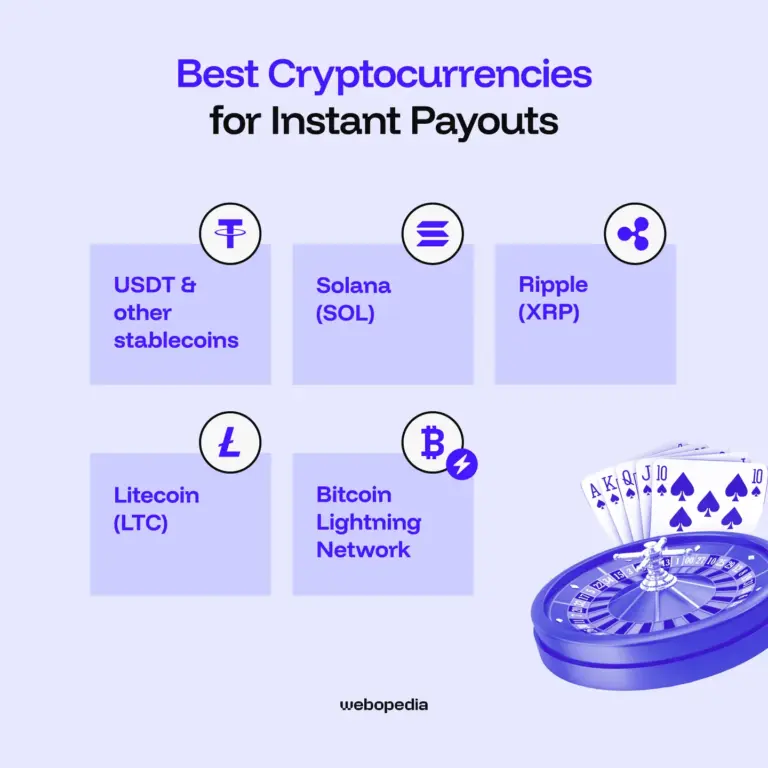
This risk is manageable through smart practices: immediate conversion of winnings, using stablecoins pegged to fiat currencies, or selecting platforms that offer instant conversion options. Many regulated crypto gambling platforms now offer both volatile and stablecoin options, allowing players to choose their preferred approach. International gambling markets increasingly feature stablecoin-based platforms specifically designed to eliminate this concern.
The actual gambling risk—the mathematical edge and fairness of games—remains independent of cryptocurrency volatility.
Decentralization Means No Customer Support
A final persistent myth suggests that decentralized or crypto-native gambling platforms provide poor customer support. While some unregulated platforms do offer minimal support, this isn’t inherent to cryptocurrency gambling. Professional crypto gambling operators recognize that quality customer support is essential for legitimacy and player retention.
Leading platforms in the international crypto gambling market maintain 24/7 multilingual support teams, comprehensive FAQ sections, and responsive dispute resolution processes. Regulated platforms must meet specific customer service standards set by their licensing authorities. Major esports tournaments and international leagues that partner with crypto gambling platforms specifically require robust customer support infrastructure.
The quality of customer support depends on the operator’s professionalism and regulatory obligations, not on whether the platform uses cryptocurrency. Players should evaluate support quality independently, regardless of the payment method offered.
Making Informed Decisions
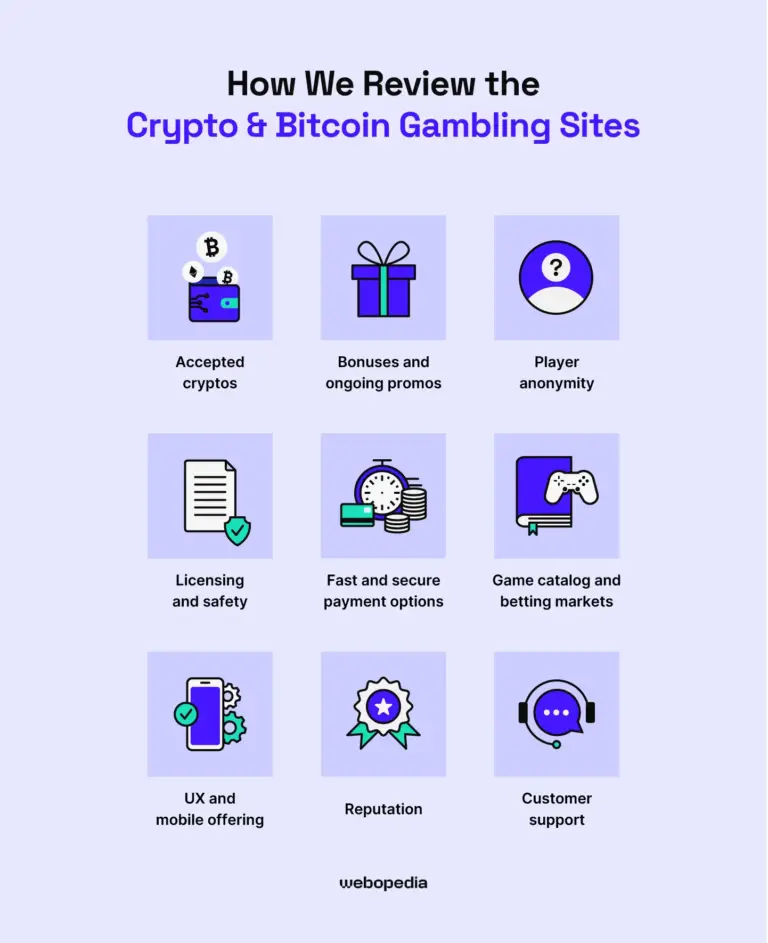
Separating crypto gambling myths from reality requires critical evaluation of platform credentials, regulatory status, and independent verification. Look for legitimate licensing, third-party audits, transparent terms of service, and responsive customer support. Avoid platforms making unrealistic promises or refusing to provide verifiable information about their operations. By understanding these common misconceptions, international players can make safer, more informed decisions in the evolving crypto gambling landscape.