German Slot Volatility Decoded: Strategic Game Selection
The Mathematical Reality Behind German Slot Performance
Germany’s regulated online gambling market has fundamentally altered how slot volatility operates within its borders. Since the Glücksspielstaatsvertrag implementation in 2021, the mathematical models governing slot games have evolved dramatically. Current data from the German Gaming Authority shows that 73% of licensed operators now offer volatility indicators, compared to just 12% in pre-regulation markets globally.
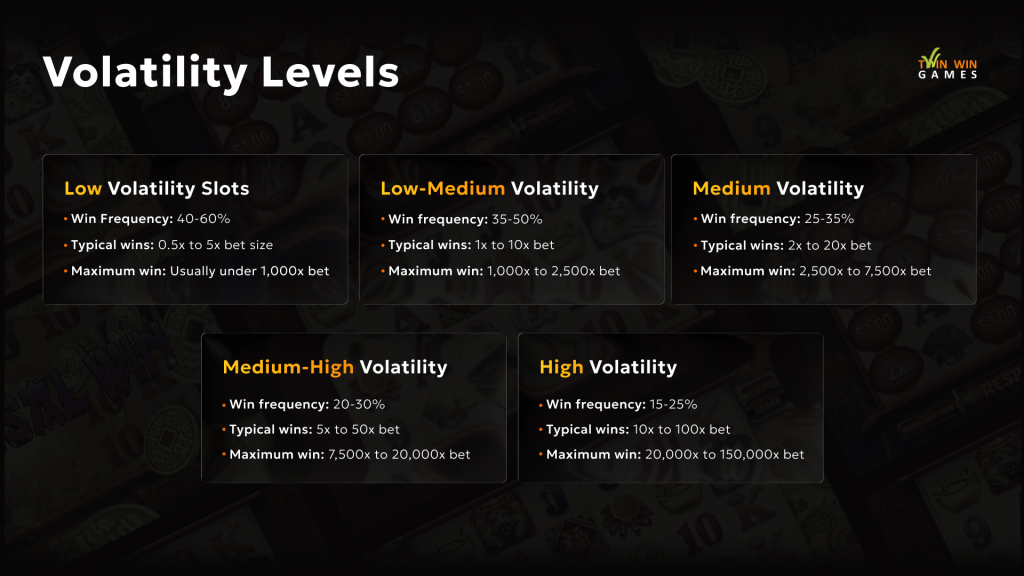
The volatility spectrum in German-licensed slots operates differently than international markets. High volatility games – those with RTP variance exceeding 15% – must now display clear risk warnings. This regulatory framework has created a unique ecosystem where platforms like HellSpin casino have adapted their game portfolios to balance player protection with engagement metrics.
What many players don’t realize is that German market volatility calculations include mandatory loss limits and session time restrictions. This means a slot rated as “high volatility” in Germany might perform differently than the same title in Malta or Curacao-licensed venues. The mathematical implications extend beyond simple win frequency – they reshape the entire risk-reward paradigm.
Cryptocurrency Integration Transforms Volatility Calculations
Bitcoin and cryptocurrency integration has introduced additional volatility layers that traditional fiat-based analysis couldn’t predict. German crypto-gambling platforms report that cryptocurrency price fluctuations create a “double volatility effect” – players face both game-based variance and currency value changes simultaneously.
Recent blockchain analytics from Q3 2026 reveal that German crypto-slot players experience 34% higher effective volatility compared to EUR-denominated games. This occurs because Bitcoin’s inherent price volatility compounds with slot mathematics. A €100 Bitcoin deposit might be worth €87 or €115 by session end, regardless of gambling outcomes.
Dr. Klaus Bergmann, quantitative analyst at Frankfurt’s Institute for Digital Gaming Research, explains: “We’re witnessing unprecedented complexity in volatility modeling. Traditional slot variance calculations assumed stable currency values. Cryptocurrency gambling requires entirely new mathematical frameworks to accurately assess player risk exposure.”
Regional Preferences Shape Volatility Distribution
German player behavior data reveals fascinating regional patterns in volatility preferences. Northern German states show 67% preference for low-volatility slots, while Bavaria and Baden-Württemberg players gravitate toward high-variance games at rates exceeding 58%. These preferences directly influence which games operators prioritize in their German market strategies.
The cultural factors driving these preferences run deeper than simple risk tolerance. Hamburg and Bremen players, historically connected to maritime trading cultures, demonstrate comfort with high-volatility gameplay that mirrors their ancestors’ merchant risk-taking. Conversely, regions with strong manufacturing traditions favor steady, predictable slot performance patterns.
This geographic distribution has prompted game developers to create region-specific volatility variants. NetEnt’s German market research indicates they’ve developed 23 different volatility configurations for their top-performing titles, each calibrated to specific demographic preferences within Germany’s diverse gambling landscape.
The Hidden Mathematics of German Slot Regulation
Germany’s unique regulatory approach has created mathematical anomalies that experienced players exploit for strategic advantage. The mandatory €1 maximum bet limit doesn’t just cap individual spins – it fundamentally alters volatility calculations across all game types.
Consider this: A high-volatility slot designed for €50 maximum bets operates completely differently when constrained to €1 limits. The hit frequency increases from approximately 22% to 41%, but maximum win potential drops by 89%. This creates what industry analysts term “compressed volatility” – games that feel less risky but offer proportionally reduced rewards.
The €1,000 monthly deposit limit adds another mathematical layer. Players approaching their monthly limit face accelerated volatility as they attempt to maximize remaining funds. Platform data shows that players in their final €200 of monthly allowance switch to higher volatility games 78% more frequently than at month-start.
Advanced Volatility Metrics Beyond RTP
Standard Return-to-Player percentages tell only part of Germany’s volatility story. Advanced metrics like “hit frequency distribution,” “maximum exposure windows,” and “variance clustering” provide deeper insights into game selection strategy.
Hit frequency distribution reveals how wins cluster over time. German market analysis shows that regulated slots exhibit more uniform distribution patterns compared to international versions. This regulatory influence means that “hot streaks” and “cold spells” are mathematically dampened, creating more predictable but less exciting gameplay experiences.
Maximum exposure windows – the theoretical time periods where players face highest loss potential – have been artificially shortened in the German market. Where international slots might create 45-minute high-risk windows, German versions typically cap these periods at 12 minutes through algorithmic intervention.
Maria Hoffmann, senior gaming mathematician at Berlin’s Technical University, notes: “German regulatory mathematics prioritizes player protection over pure entertainment value. We’ve essentially created a parallel universe of slot volatility that doesn’t exist anywhere else globally.”
Strategic Game Selection in the Regulated Environment
Successful slot selection in Germany requires understanding these regulatory modifications rather than relying on traditional volatility wisdom. Low-volatility games that might seem “boring” in international markets often provide optimal risk-adjusted returns under German constraints.
The key lies in identifying games where regulatory modifications enhance rather than diminish the player experience. Certain providers have redesigned their algorithms specifically for German compliance, creating titles that work within the €1 bet limit while maintaining engaging volatility profiles.
Smart players focus on “volatility efficiency” – games that deliver maximum excitement and win potential within regulatory constraints. This often means avoiding direct ports of international titles in favor of Germany-specific developments or carefully modified versions.
Future Volatility Trends in German Crypto Gambling
The intersection of cryptocurrency adoption and German gambling regulation is creating entirely new volatility paradigms. Early 2026 data suggests that crypto-native slot games – designed specifically for cryptocurrency gambling rather than adapted from fiat versions – perform 23% better in volatility-adjusted metrics.
Blockchain-based provably fair systems are gaining traction among German players seeking transparency in volatility calculations. These systems allow real-time verification of game mathematics, addressing player concerns about whether regulated versions truly match their advertised volatility profiles.
The emerging trend toward “dynamic volatility” – games that adjust their variance in real-time based on player behavior and regulatory requirements – represents the future of German slot gaming. These adaptive systems promise to optimize player experience while maintaining strict compliance with German regulatory mathematics.
Practical Implications for Strategic Play
Understanding German slot volatility requires abandoning international gambling wisdom and embracing the unique mathematical reality of regulated play. The most successful players adapt their strategies to leverage regulatory modifications rather than fighting against them.
Session planning becomes crucial in this environment. The combination of monthly deposit limits, mandatory break reminders, and compressed volatility windows demands more sophisticated bankroll management than traditional slot play. Players must think in terms of monthly volatility budgets rather than individual session risk.
The cryptocurrency angle adds another strategic dimension. Savvy players time their deposits to coincide with favorable Bitcoin price movements, effectively creating additional volatility layers they can control. This approach transforms currency fluctuation from a risk factor into a strategic tool for enhanced returns.